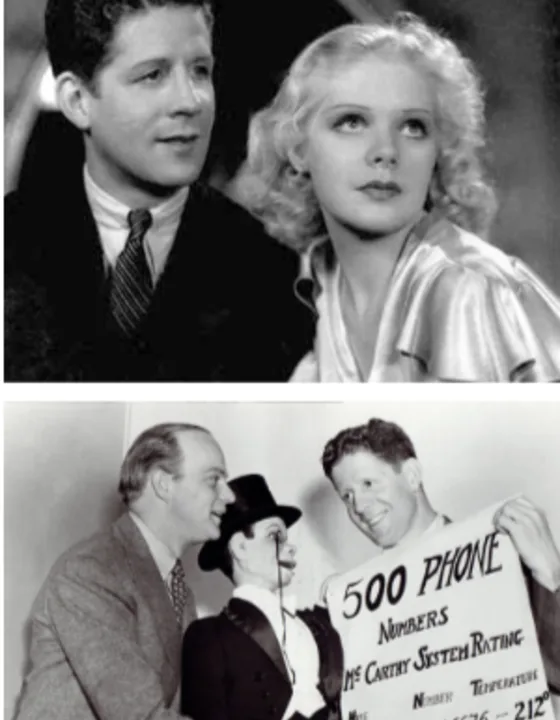
The Rudy Vallée gallery collects photographs, promotional stills, and archival images that document one of American entertainment's most versatile careers. From his early nights at the Heigh-Ho Club in New York to his appearances in Hollywood films and his decades-long presence on radio, Vallée left a visual record that is as layered as his discography. This page organizes those images by era and context so visitors can move through his career chronologically or by subject.
What the Gallery Covers
The collection is organized into several distinct categories. Each section below describes what types of images appear, their approximate date range, and why they matter to understanding Vallée's place in American popular culture.
| Category | Date Range | Image Types |
|---|---|---|
| Early Career & Yale Years | 1920–1927 | Student photos, early band shots |
| Heigh-Ho Club & Radio Debut | 1928–1930 | Performance stills, radio booth photos |
| NBC & National Fame | 1929–1939 | Press kits, magazine covers, broadcast images |
| Hollywood Films | 1929–1947 | Studio promotional stills, on-set photography |
| USO & Wartime | 1942–1945 | Service band photos, performance stills |
| Television Era | 1950–1968 | TV appearance photos, late-career portraits |
| Personal & Candid | Various | Behind-the-scenes, informal portraits |
Early Life Images: Before the Megaphone
Vallée was born Hubert Prior Vallée on July 28, 1901, in Island Pond, Vermont. The earliest photographs in the collection date to his time at the University of Maine and later Yale University, where he studied in 1922 and graduated in 1927. These are not performance photos — they show a young man with a saxophone, wearing the kinds of clothes that placed him firmly in the collegiate culture of the early 1920s.
What makes these images historically relevant is the context they provide. By the time Vallée became nationally famous, his "Yale man" identity was part of his brand. Promoters leaned on it. The photos from this period show where that image came from — it was not invented by publicists.
Key images from this period include:
- Band portraits from his time leading the Yale Collegians
- Individual shots with his C-melody saxophone, his primary instrument before the tenor sax
- Informal photos taken at university events, 1923–1926
The Heigh-Ho Club: Where the Persona Was Built
In 1928, Vallée opened at the Heigh-Ho Club on East 53rd Street in New York City with his group the Connecticut Yankees. This is where the megaphone became his signature prop — not a stylistic affectation, but a practical solution to poor acoustics in a crowded room. The photographs from this period show the megaphone in use long before it became an iconic image.
The Heigh-Ho Club images also capture the visual style of late-1920s New York nightlife: formal dress, close-packed tables, the band elevated on a small stage. These are among the most requested images in the archive because they predate the NBC radio fame and show Vallée working a room rather than performing for a camera.
Several photographs from 1928 to 1929 show the Connecticut Yankees as a full unit. Personnel changed over the years, and the early band images are useful for researchers trying to document specific musicians who passed through the group.
Radio Photographs: The Voice Before Television
Vallée's radio career began in earnest on February 7, 1928, on WABC New York. By 1929 he was hosting The Fleischmann's Yeast Hour on NBC, which ran until 1939 — one of the longest-running variety programs of the network radio era. For most of that decade, Vallée was one of the most recognized voices in the United States.
Radio photography presents a specific visual challenge: the medium is sound, and the images have to work harder to convey something meaningful. The photographs from Vallée's NBC years succeed at this because they capture the production infrastructure of early network radio — microphone placement, studio layouts, the physical space where sound was made.
Significant image types from this period:
- NBC studio photographs showing the broadcast setup at 30 Rockefeller Plaza
- Press photographs distributed to newspapers for radio listings
- Magazine cover reproductions from publications including Radio Guide and Radio Stars
- Images showing Vallée with guests who appeared on The Fleischmann's Yeast Hour, including early appearances by Alice Faye, Edgar Bergen, and Joe Penner
The guest photographs are particularly useful for music historians because the show served as a national platform for performers who would go on to major careers. Vallée introduced many of them to radio audiences for the first time.
Hollywood Film Stills: 1929 to 1947
Vallée appeared in films across roughly two decades, beginning when sound film was still new enough that studios were actively recruiting performers with proven vocal appeal. His film credits include:
| Year | Film | Studio | Role Type |
|---|---|---|---|
| 1929 | The Vagabond Lover | RKO | Lead, romantic |
| 1932 | Glorifying the American Girl | Paramount | Supporting appearance |
| 1933 | George White's Scandals | Fox | Lead |
| 1941 | Too Many Blondes | Universal | Lead |
| 1942 | The Palm Beach Story | Paramount | Supporting, comedic |
| 1947 | The Bachelor and the Bobby-Soxer | RKO | Supporting |
The studio promotional stills from these productions are the most formally composed images in the gallery. They were produced by studio photography departments with deliberate lighting, careful framing, and often direct input from studio publicity teams. They tell you as much about how studios wanted Vallée perceived as they do about Vallée himself.
The Palm Beach Story stills are among the most frequently reproduced. Directed by Preston Sturges, the film gave Vallée a comedic supporting role as the earnest, oblivious John D. Hackensacker III — a sharp departure from his earlier romantic lead persona. The contrast between the romantic crooner images from 1929 and the deadpan comedy stills from 1942 illustrates how his screen image evolved.
Wartime and USO Images
During World War II, Vallée served in the United States Coast Guard and led the Coast Guard Band. He was commissioned as a Lieutenant Commander in 1942 and organized and directed the 11th District Coast Guard Band in California. The photographs from this period are distinct in tone from everything that preceded them.
These images show:
- Official Coast Guard portrait photography
- Performance photographs from USO shows and military events
- Band rehearsal images taken in California, 1942–1945
- Documentation of Vallée in uniform at public events
The wartime photographs are less commercially polished than the studio stills. They have the visual quality of documentary photography — purposeful but not staged for entertainment marketing. For researchers focused on the intersection of American entertainment and wartime service, this section of the gallery is particularly substantive.
Television Era and Late Career
Vallée's transition to television began in the early 1950s. He appeared on The Ed Sullivan Show multiple times, made guest appearances on variety programs, and had a significant Broadway success with How to Succeed in Business Without Really Trying in 1961, in which he played J.B. Biggley. The role ran for 1,417 performances and introduced Vallée to an audience that had not grown up with his radio work.
Photographs from the television era reflect the visual grammar of the medium: slightly flatter lighting than film, images clearly taken in a studio video environment rather than on a film set. The Broadway production photographs are a separate category — taken by theater photographers for press use and show documentation.
Late-career candid photographs from the 1960s and early 1970s show Vallée in a more relaxed visual register. By this point he had been a public figure for over 40 years, and the images reflect a performer comfortable with his own history.
How to Use the Gallery for Research
The gallery is structured to support several types of research:
- Chronological study of a career spanning five decades
- Visual documentation of early network radio production
- Comparison of Hollywood promotional photography across studios and eras
- Source material for journalism, academic work, and documentary production
Image captions include the approximate date, source where known, and context. Where original photographer credits are available, they are included. Many of the early images are in the public domain; specific licensing questions should be directed through the site's contact page.
Researchers working on Old Hollywood biography, early American radio history, or the crooner era of popular music will find the gallery a useful primary visual source. The collection does not duplicate what is available through standard film databases or general music archives — it focuses specifically on the breadth of Vallée's career rather than any single medium.