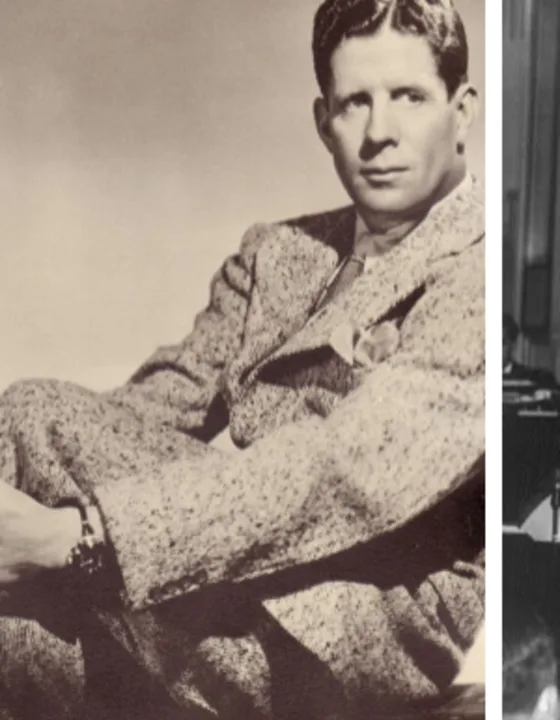
Rudy Vallée recorded commercially from 1928 through the 1960s, leaving behind hundreds of sides across Victor, Columbia, Decca, and smaller labels. His output spans dance band 78s, radio transcriptions, film soundtracks, and later LP compilations — each phase reflecting a different chapter of American popular music. This guide maps that catalog chronologically and by format, so collectors and researchers can locate specific recordings without sorting through scattered databases.
Why Vallée's Discography Is Hard to Pin Down
Most published Vallée discographies undercount his total output because they ignore two major sources: NBC radio transcription discs cut between 1929 and 1939, and soundtrack recordings embedded in Paramount and RKO film reels. Commercial 78 rpm releases represent roughly 40–50% of what he actually recorded. The rest sits in broadcast archives, university collections, and private hands.
A further complication: Vallée recorded the same song multiple times across different formats and years. "My Time Is Your Time" — his radio theme — exists as a 1929 Victor commercial release, at least three distinct broadcast transcription versions, and a 1950s LP re-recording. Treating any single version as definitive misrepresents the catalog.
Commercial 78 RPM Recordings by Label
| Period | Label | Approx. Sides Released | Key Notes |
|---|---|---|---|
| 1928–1932 | Victor / HMV | 80–100 | Peak commercial era; most-collected period |
| 1932–1934 | Columbia | 25–35 | Transitional; fewer dance band arrangements |
| 1934–1940 | ARC / Vocalion | 20–30 | Budget label releases, some radio tie-ins |
| 1940–1942 | Decca | 15–20 | Late swing-era sessions |
| 1940s–1950s | Various (Majestic, Signature) | 10–15 | Novelty material, wartime recordings |
Victor Records holds the core of any Vallée collection. Sessions from 1929 to 1931 produced his most commercially successful sides, including "Betty Co-Ed," "Stein Song (University of Maine)," and "As Time Goes By" — the latter recorded by Vallée in 1931, more than a decade before the Casablanca version made the song iconic.
Selected Key Recordings with Recording Dates
| Song Title | Label | Recording Year | Notes |
|---|---|---|---|
| "My Time Is Your Time" | Victor | 1929 | Radio theme; multiple versions exist |
| "Stein Song (University of Maine)" | Victor | 1930 | No. 1 hit; sold over 1 million copies |
| "Betty Co-Ed" | Victor | 1930 | College-themed novelty, major seller |
| "As Time Goes By" | Victor | 1931 | Pre-dates Casablanca film version by 11 years |
| "I'm Just a Vagabond Lover" | Victor | 1929 | Title song from his debut film |
| "Heigh-Ho Everybody" | Victor | 1929 | Radio catchphrase turned recording |
| "Vieni, Vieni" | Victor | 1937 | Late 78-era hit, French-influenced |
| "The Whiffenpoof Song" | Victor | 1936 | Yale tradition recording |
| "There Is a Tavern in the Town" | Victor | 1934 | Pub song revival |
Film Soundtrack Contributions
Vallée appeared in 17 films between 1929 and 1968. His earliest film work overlaps directly with his commercial recording peak, meaning songs from these pictures were often released simultaneously as Victor 78s and exist in two distinct audio versions.
Key films with significant musical content:
- "The Vagabond Lover" (1929, RKO) — first feature film; introduced "I'm Just a Vagabond Lover" and "If You Were the Only Girl in the World" on screen and on disc
- "International House" (1933, Paramount) — ensemble musical; Vallée performs two numbers
- "Gold Diggers in Paris" (1938, Warner Bros.) — late swing-era appearance; soundtrack recording differs from any commercial release
- "Palm Beach Story" (1942, Paramount) — non-singing dramatic role; no soundtrack recordings
- "How to Succeed in Business Without Really Trying" (1967, United Artists) — Broadway cast to film transfer; Vallée reprises his original stage role as J.B. Biggley
The 1967 United Artists soundtrack album is the most accessible Vallée film recording for modern listeners and remains in print in digital format.
Radio Transcription Recordings (1929–1942)
Vallée hosted "The Fleischmann's Yeast Hour" on NBC from 1929 to 1939 — one of the longest-running variety programs of the network era. Broadcast transcription discs (16-inch lacquer discs cut at 33 1/3 rpm) were produced for affiliate stations and time-delayed broadcasts.
Estimated surviving transcription content: 200–400 individual performances, though cataloging remains incomplete. The primary institutional holdings are:
| Archive | Location | Known Holdings |
|---|---|---|
| Library of Congress, Recorded Sound Section | Washington, DC | Partial NBC transcription series |
| UCLA Film & Television Archive | Los Angeles, CA | Selected broadcast recordings |
| Yale University (Beinecke Library) | New Haven, CT | Vallée personal papers; some audio |
| Wisconsin Historical Society | Madison, WI | NBC records, partial transcription logs |
Researchers should contact these archives directly. Not all holdings are digitized or publicly accessible as of 2026.
LP Era and Reissues (1950s–1970s)
When the LP format became standard in the early 1950s, Vallée recorded new material for the format and also authorized recompilations of his Victor catalog. The two categories should not be confused:
New LP recordings (not reissues):
- "Rudy Vallée and His Connecticut Yankees" (Vik Records, 1956) — new studio sessions imitating his 1930s sound
- "Young Rudy Vallée" (Decca, 1952) — partly new, partly archival; inconsistent labeling on original pressings
Reissue compilations:
- "Heigh-Ho Everybody" (Victor/RCA Camden, 1960) — standard budget reissue; analog transfers from 78 masters, noticeable surface noise
- "The Vagabond Lover" (RCA, 1963) — slightly better transfer quality; 12 tracks
What to know before buying vintage pressings: Camden budget releases from RCA used worn stampers and mediocre pressing quality. The 1983 ASV Living Era (UK) compilation "Rudy Vallée: 1929–1937" used better source material and is considered the strongest physical reissue for audio quality.
Digital Availability and Streaming (as of 2026)
Vallée's pre-1972 recordings fall outside the scope of the Music Modernization Act's protections in most jurisdictions, meaning many recordings are legally available through public domain sources. Current status:
| Platform | Availability | Notes |
|---|---|---|
| Spotify | Limited | Primarily reissue compilations |
| Apple Music | Moderate | Includes some 1930s transfers |
| Internet Archive (archive.org) | Extensive | Public domain 78 transfers; variable quality |
| Presto Music / HD Tracks | Sparse | A few remastered albums |
| YouTube | Variable | Mix of legitimate uploads and unofficial transfers |
For research-grade audio, the Internet Archive holds the largest publicly accessible collection of Vallée 78 transfers, uploaded by collectors using RIAA-equalized playback through period equipment.
Connecticut Yankees: The Band Behind the Recordings
Nearly all of Vallée's commercial 78s were recorded with his band, the Connecticut Yankees. Personnel shifted significantly between 1928 and 1942. The band's arranging style — sweet rather than hot, built around Vallée's megaphone-assisted tenor — defined the sound of his Victor sessions. By 1935, the band had moved toward a more conventional swing feel to stay commercially viable, which is audible in the Columbia and late Victor material.
Collectors distinguish early Connecticut Yankees recordings (1928–1931) from later sessions by:
- Tighter ensemble voicing in the earlier period
- Greater saxophone prominence from 1933 onward
- Shift from novelty and college songs toward more standard pop material post-1932
Collecting Vallée 78s: Condition and Pressing Notes
Original Victor 78s from the 1929–1932 period were pressed on shellac at Victor's Camden, New Jersey plant. Condition grading follows standard 78 collector conventions (E, VG+, VG, G). Specific pressing details worth knowing:
- Victor "scroll label" pressings (1929–1930) are the earliest and most sought after
- Lateral cut, not vertical — compatible with standard 78 playback equipment
- Reissue Victor pressings with "Bluebird" label (budget reissue from 1932 onward) are common and less valuable but often in better condition
- HMV pressings (UK) of the same masters exist for many titles and sometimes have cleaner audio due to different pressing plant standards
Current auction prices (2025–2026 range) for Vallée 78s in VG+ condition: $8–$40 per side for common titles; $60–$150 for rarer titles or first pressings in excellent condition.