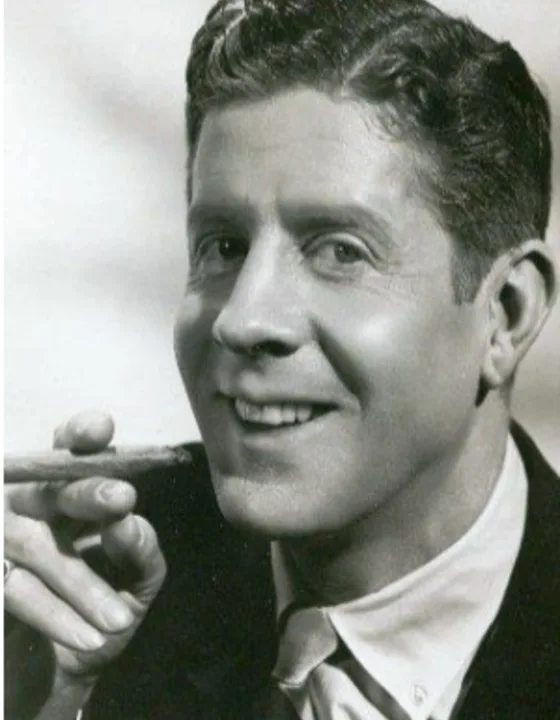
RudyValLee.com is a dedicated biographical and archival resource covering Rudy Vallée's career across radio, film, and recordings from the 1920s through the 1960s. If you have questions about the archive, want to contribute historical materials, or need clarification on specific biographical details, this page explains exactly how to reach the editorial team and what to expect.
Who Runs This Site
RudyValLee.com is maintained by a small editorial team focused on Old Hollywood history, early American radio, and the crooner era. The site is not affiliated with any record label, studio, or estate management company. Content decisions — what gets published, corrected, or expanded — are handled by researchers and writers who specialize in 20th-century American entertainment history.
The team includes:
- A lead archivist with a background in 1920s–1950s American popular music
- A film researcher covering Rudy Vallée's work in features and shorts from 1929 onward
- A radio historian focused on NBC and CBS programming records from the late 1920s and 1930s
- A photo editor managing the digitized image archive
This structure matters when you write in. The more specific your inquiry, the faster it reaches the right person.
What You Can Contact Us About
Not every question belongs in the same inbox. Below is a breakdown of the most common inquiry types and how the team handles each one.
| Inquiry Type | Expected Response Time | Who Handles It |
|---|---|---|
| Factual correction to biography or discography | 5–10 business days | Lead archivist |
| Contribution of original photographs or documents | 7–14 business days | Photo editor or archivist |
| Licensing or reproduction of archive images | 10–15 business days | Editorial lead |
| Research collaboration or academic inquiry | 7–10 business days | Relevant subject researcher |
| Press or media requests | 3–5 business days | Editorial lead |
| General historical questions about Rudy Vallée | 10–14 business days | General editorial queue |
| Technical issues with the site | 2–5 business days | Site administrator |
Response times reflect current workload as of 2026. During periods of high submission volume — typically around anniversary dates or following media coverage — delays of an additional 5–7 days are possible.
How to Submit a Factual Correction
Historical records on figures like Rudy Vallée are frequently incomplete or contradictory across sources. Recording dates get misattributed. Film credits get confused between similar titles. Radio broadcast dates from the 1920s and 1930s are poorly documented even in major institutional archives.
If you've found something on this site that conflicts with a primary source you have access to — a contemporaneous newspaper clipping, a studio contract, a program log, an original disc label — the team wants to know.
When submitting a correction, include:
- The specific page or section you're referencing
- The claim you believe is inaccurate
- Your source, including date and publication or origin if applicable
- A brief explanation of why your source takes precedence
Submissions without a cited source are logged but not prioritized. The team receives a high volume of opinion-based "corrections" that turn out to reflect common misconceptions about Vallée's career — for example, confusion around his recordings for Victor versus RCA Victor, or conflating his early Connecticut Yankees broadcasts with later NBC commercial programming.
Contributing to the Archive
RudyValLee.com actively accepts contributions of historical materials related to Rudy Vallée. The archive has documented gaps that contributions have helped fill over the years.
What the Archive is Currently Missing
As of 2026, the following categories remain underrepresented:
- Photographs from Vallée's Yale University period (1924–1927) and early New York nightclub appearances (1928–1929)
- Program schedules or listener correspondence from "The Fleischmann's Yeast Hour" (1929–1936)
- Regional newspaper reviews of Vallée's touring performances in the Midwest and South, 1930–1935
- Home recordings or off-air acetates from any period
- Personal correspondence or signed materials from the 1940s and 1950s
Contributors retain ownership of original materials. The team will discuss attribution and usage terms before any item is published or catalogued.
Acceptable Formats for Digital Submissions
| Format | Acceptable | Notes |
|---|---|---|
| TIFF (300 dpi or higher) | Yes | Preferred for photographs |
| JPEG (high resolution) | Yes | Minimum 2000px on the long edge |
| Yes | For documents, clippings, programs | |
| MP3 or FLAC | Yes | For audio materials; FLAC preferred |
| Physical originals | Case by case | Contact team before shipping anything |
Do not send low-resolution scans. Photographs submitted at under 150 dpi cannot be used in the archive and will not be returned by digital correspondence.
Academic and Research Inquiries
Rudy Vallée's career intersects with several active areas of academic research: early radio broadcasting and its social impact, the development of the crooner style and its relationship to microphone technology, Old Hollywood's transition to sound film, and the shifting cultural politics of masculinity in American popular music between the wars.
The RudyValLee.com team has supported academic projects from researchers at institutions including music history programs, film studies departments, and broadcast history organizations. If you are working on a thesis, book, documentary, or journal article that draws on Vallée's career, the team can discuss:
- Access to unpublished materials in the archive
- Verification of specific dates, credits, or quotations
- Background context on sources and their reliability
- Potential citation of the archive in published work
Academic inquiries receive a dedicated response separate from the general queue. Include your institutional affiliation, project description, and a specific list of what you're looking for. Vague requests for "anything about Rudy Vallée" are deprioritized.
Press and Media
Journalists, documentary researchers, and podcast producers covering topics related to Rudy Vallée, Old Hollywood, the crooner era, or early American radio history can request:
- Background interviews with team members (subject to availability)
- High-resolution archive images cleared for editorial use
- Verified biographical facts and timeline data
- Commentary on common misconceptions about Vallée's career and legacy
For editorial image requests, specify the publication, intended use, print run or platform reach, and publication date. Turnaround for editorial image clearance is typically 3–5 business days.
What the Team Cannot Help With
Being clear about scope saves time for everyone.
The RudyValLee.com team does not:
- Manage or speak for any estate or family-related inquiries
- Handle commercial licensing for recorded music (contact the relevant rights holders directly — for most Vallée recordings this means current rights owners at Sony Music or Universal Music Group depending on the catalog period)
- Provide appraisals for physical memorabilia
- Act as an agent or intermediary for private sales of Vallée-related items
- Source or recommend private collectors
If you're looking to authenticate or sell a physical item, the team can sometimes point you toward specialist auction houses or institutional archives that handle early 20th-century American music memorabilia, but this is not a formal service.
A Note on Response Quality
The team reads every message but does not send acknowledgment receipts for general inquiries. If you have not received a response within the timeframe listed in the table above, it is reasonable to follow up once. Multiple follow-up messages slow down the queue for everyone.
The most common reason inquiries go unanswered is insufficient detail. A message that says "I have some old photos of Rudy Vallée" without specifying approximate date, context, or image content will sit in the queue while the team waits for usable information before responding.
---