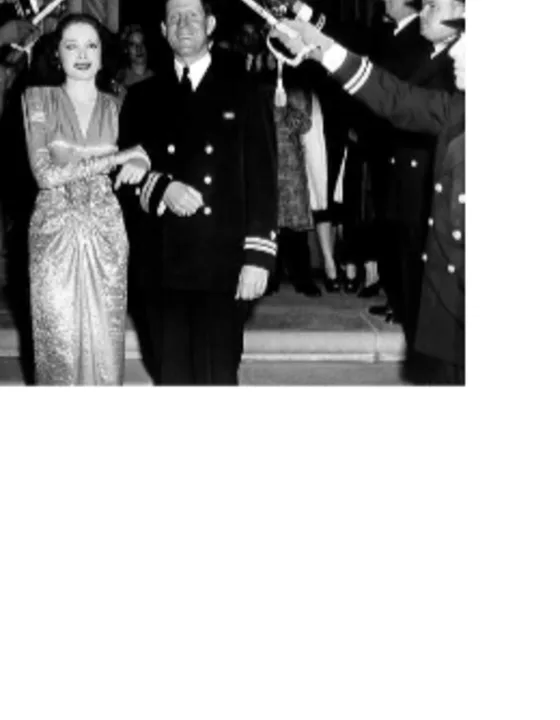
Rudy Vallée recorded prolifically across four decades, but a significant portion of that output never reached commercial release. His rare recordings include radio transcription discs, private acetates, wartime broadcasts, and studio sessions that were shelved before distribution. These materials form one of the most detailed sonic archives of early American popular music.
What Counts as a Rare Vallée Recording
Not every out-of-print record qualifies as rare. In Vallée's case, the term applies to several distinct categories:
- Radio transcription discs — lacquer or acetate discs cut for delayed broadcast, never sold commercially
- Electrical transcriptions (ETs) — studio recordings licensed to radio stations in the 1930s and 1940s, separate from his Victor and Columbia releases
- Air checks — off-air recordings made by fans or broadcasters directly from radio reception
- Unreleased studio takes — alternate versions and rejected masters stored in label vaults
- Private recordings — home recordings and demonstration discs Vallée made for personal use or pitching songs
The distinction matters because each category has different sound quality, legal status, and availability for modern collectors.
The Victor Years and What Was Left in the Vault
Vallée signed with Victor Records in 1928 and recorded over 100 sides through the early 1930s. The released catalog with his Connecticut Yankees is well documented — but the vault material is not.
Victor's internal logs from that period show that multiple takes were cut for nearly every session. Standard practice at the time was to release one take and destroy or shelve the rest. Some of those alternates survived because Victor's storage practices were inconsistent between facilities in Camden, New Jersey and New York.
Key points about the Victor-era vault recordings:
- Sessions from 1928 to 1931 produced an estimated 40 to 60 unreleased alternate takes
- Several titles were recorded but never issued because Victor judged them commercially weak
- At least two complete sessions from 1930 are known from session logs but have no confirmed surviving pressings
- Some rejected masters were repurposed as test pressings and circulated among collectors after Victor's Camden plant closed in the 1950s
Collectors who have documented these materials note that the sound quality on surviving alternates is often comparable to released versions — the rejection was editorial, not technical.
Radio Transcription Discs: The Core of the Rare Archive
The most historically significant portion of Vallée's rare recordings comes from radio transcriptions. From 1929 onward, The Fleischmann's Yeast Hour and later The Sealtest Variety Theatre were among the highest-rated programs on NBC. Broadcasts ran weekly for years.
Transcription discs were cut in 16-inch lacquer format at 33 1/3 rpm — a format not commercially available to consumers until decades later. They were produced for station-to-station delay broadcasts and were typically destroyed after use. Survival rates were low.
| Program | Network | Years | Estimated Surviving Discs | Current Locations |
|---|---|---|---|---|
| Fleischmann's Yeast Hour | NBC | 1929–1936 | 60–80 (partial) | UCLA, private collections |
| Royal Gelatin Hour | NBC | 1936–1939 | 30–50 (partial) | Library of Congress, collectors |
| Sealtest Variety Theatre | NBC | 1940–1943 | 20–35 (partial) | USC, private |
| Various guest appearances | CBS, NBC | 1944–1961 | Unknown | Scattered |
The UCLA Film and Television Archive holds a documented portion of the NBC transcription library. The Library of Congress holds additional material through its recorded sound collection. Neither institution has fully catalogued Vallée's contributions within those holdings as of 2026.
Wartime Recordings and V-Disc Material
During World War II, the U.S. military produced V-Discs — recordings distributed exclusively to armed forces personnel overseas. Commercial release was prohibited by the agreement between the military and the musicians' union.
Vallée participated in V-Disc sessions between 1943 and 1945. These recordings feature performances that differ meaningfully from his commercial output of the same period:
- Looser arrangements suited to live-style delivery
- Spoken introductions and comedy segments not present on commercial releases
- Collaborative pieces with other performers recorded informally
- Versions of popular songs he never recorded commercially
V-Discs were supposed to be destroyed after the war ended. A portion survived because soldiers kept personal copies or because destruction orders were not uniformly enforced. The Library of Congress holds the master archive of V-Disc pressings, though individual attribution across the catalog remains incomplete.
Electrical Transcription Recordings from World World Radio
World Broadcasting System and Standard Radio Transcription Services both licensed studio recordings for syndicated radio use in the 1930s and 1940s. Vallée recorded sessions specifically for these services — performances that were never part of his commercial label deals.
These electrical transcriptions are particularly interesting because:
- Arrangements often differ from the Victor or Columbia versions of the same songs
- Session musicians sometimes varied from his regular Connecticut Yankees lineup
- Some recordings include spoken intros pitched to specific regional markets
- A small number feature songs he performed live regularly but never released commercially
Surviving ETs from World Broadcasting System are held at several university radio archives. Condition varies significantly — lacquer discs from this era are prone to delamination, and playback requires specialized equipment.
Private Acetates and Home Recordings
Vallée was an early adopter of home recording technology. By the mid-1930s, portable acetate disc cutters were available to consumers, and Vallée used them extensively. His personal archive, portions of which were donated to Yale University's Irving S. Gilmore Music Library, includes:
- Demonstration discs of songs he was considering for broadcast
- Personal recordings of rehearsals and run-throughs
- Informal recordings of conversations and radio monitoring sessions
- Discs cut during his time running his own production operations
The Yale holdings are partially catalogued. Staff at the Gilmore Library have noted that the full extent of audio material in the Vallée papers has not been systematically digitized as of 2026.
Sound Quality Expectations for Collectors
Anyone approaching Vallée's rare recordings should calibrate expectations carefully. The range of quality is wide:
| Source Type | Typical Condition | Frequency Range | Background Noise |
|---|---|---|---|
| Victor original 78s | Good to excellent | 100–6,000 Hz | Low to moderate |
| Radio transcription discs | Fair to poor | 80–8,000 Hz | Moderate to high |
| Air checks (off-air) | Poor to fair | Variable | High |
| V-Discs | Good | 100–7,500 Hz | Low |
| Home acetates | Very poor to fair | Narrow | Very high |
Modern transfer technology — including CEDAR noise reduction and optical stylus playback methods — has improved the usability of degraded material. Several independent engineers have transferred portions of the Vallée transcription archive using these methods, and some results circulate among serious collectors.
Where Rare Vallée Recordings Surface Today
The commercial market for this material is small but active. Sources where rare Vallée recordings appear:
- Specialty auction houses — Heritage Auctions and similar firms handle estate sales that occasionally include 78 collections with Vallée rarities
- University libraries — Yale, UCLA, USC, and the Library of Congress hold the largest institutional collections
- Collector networks — dedicated old-time radio and 78 rpm collector communities maintain trading lists and digitization projects
- Small reissue labels — labels focused on pre-war American popular music have licensed and released some transcription material, though not systematically
No comprehensive commercial reissue project covering the full scope of Vallée's rare recordings has been completed. The Victor commercial catalog has been partially reissued on CD and through streaming licensing, but the transcription and radio material remains largely outside that distribution.
Why These Recordings Matter Historically
Vallée's commercial releases present a curated version of his artistry — songs selected for mass appeal, arrangements polished for record buyers. The rare recordings present a different picture:
- His radio performances show a more improvisational approach, with spoken segments that reveal his comic instincts before he became known for them in film
- Transcription recordings document the evolution of his vocal style across a period when his commercial releases were relatively static
- Alternate takes reveal decisions about phrasing and timing that were edited out of the released versions
- Wartime recordings show how he adapted his material for audiences far removed from the New York nightclub circuit where his career began
For researchers studying the transition from acoustic to electrical recording, or the development of radio as an entertainment medium, Vallée's archive is a primary source that remains underexplored.